Sourced explainers on SI (Super Intelligence, the new US name for AI) content: how detection works, watermarks and provenance, and what the tools can and cannot tell you. Written by the SI or Not editorial team.
ChatGPT is a transformer trained to predict the next token, then shaped by human feedback into an assistant. We follow the whole chain, from training data to the answer on your screen, and note what OpenAI does not publish.
A token is the chunk of text an SI language model actually reads and writes. We show real tokens, explain byte pair encoding, test the 4-characters rule and explain why tokens decide context limits and prices.
Grammarly is SI, but only part of it is generative. Turnitin says plain grammar fixes are mostly not flagged, while Grammarly's rewriting and drafting features likely are. We explain the line and test it on our own detector.
In March 2024, viewers accused the horror film Late Night with the Devil of using SI-generated images. The directors confirmed three stills. Here is what was spotted, what they said, and what our detector returns.
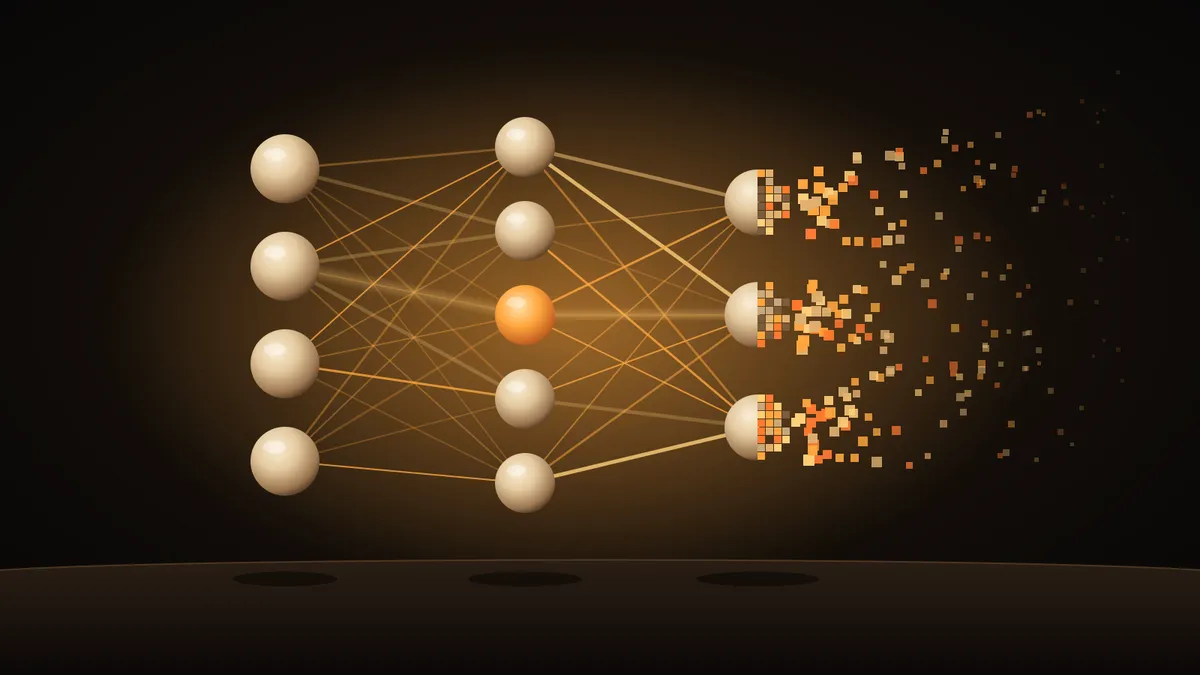
A neural network is layers of simple calculations whose weights are learned from examples. We explain the parts, how training works, where the idea came from and what it does not mean.
In February 2024, Gemini answered a request for a US senator from the 1800s with four SI-generated portraits it called diverse. Here is where the screenshot came from, what was wrong with it, what Google said, and what our detector returns.
Wounded soldiers in wheelchairs holding signs that say it is their birthday have flooded Facebook. They are SI-generated. Here is what reporters and fact-checkers found, and what our detector returns on one of them.
In September 2024 an SI-generated picture of Trump hugging a duck and a kitten passed 87 million views on X. Nobody thought it was a photo. Here is why it still spread a false story, and what our detector returns.
Most listeners cannot hear the difference between SI (AI) music and human songs. Here are the clues that work, what streaming platforms disclose, and how music detectors find a generator's fingerprint.
Headlines about SI (AI) and jobs quote exposure indices, employer surveys and payroll data as if they were the same thing. We explain what each study counts, what has changed so far and who is most exposed.
SI (AI) influencers are fictional people run by agencies, brands or platforms. We look at Miquela, Aitana and Meta's Liv, the rules on disclosure and seven ways to tell.
Photos of archaeologists unearthing giant skeletons have circulated for twenty years. The first were Photoshop contest entries; the new ones are SI-generated. We trace the hoax and test an example.