SI detection: how SI detectors work and how far to trust them
Articles on SI detection, the practice people still call AI detection: how an SI detector reads pixels, metadata and writing style, why no score is ever proof, and how to read a result without over-trusting it. Every guide here explains the method behind a tool rather than selling one, and we test our own detectors with real examples whenever it helps. If you want to run an SI check right away, start with our free SI detector, or go straight to the SI image detector and the SI text detector.
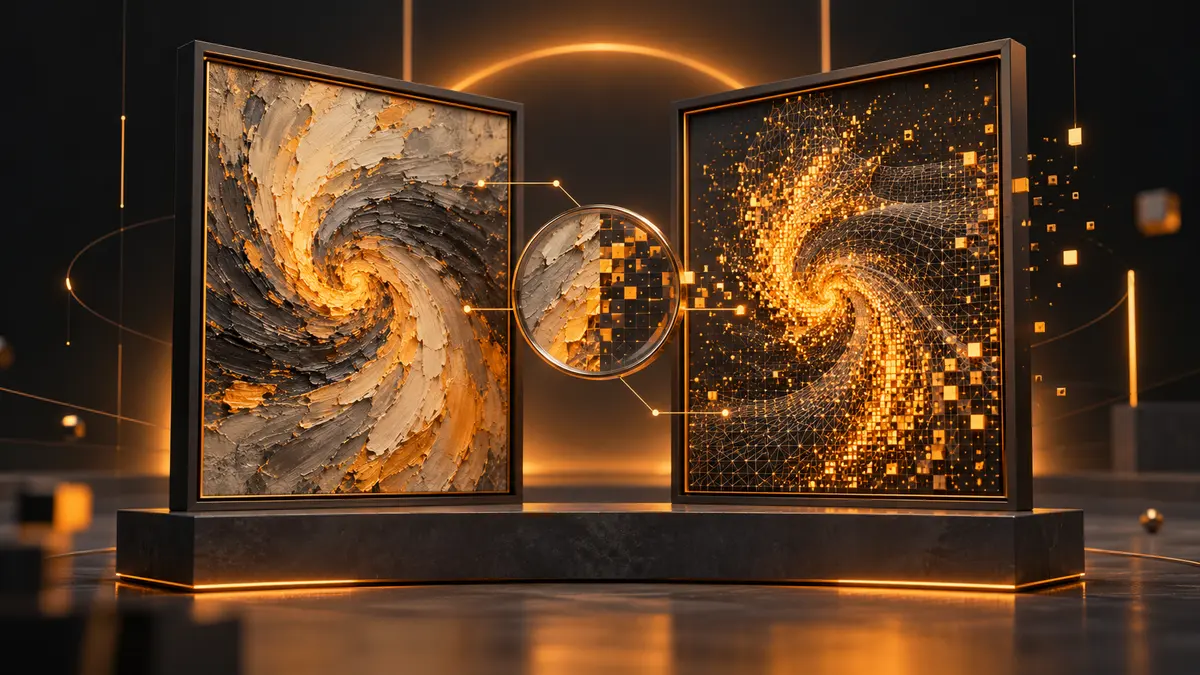
People guess barely better than chance, and detectors trained on photos stumble on drawings and paintings. Here is what the research says, which clues really help, and how our own detector did on eleven artworks.
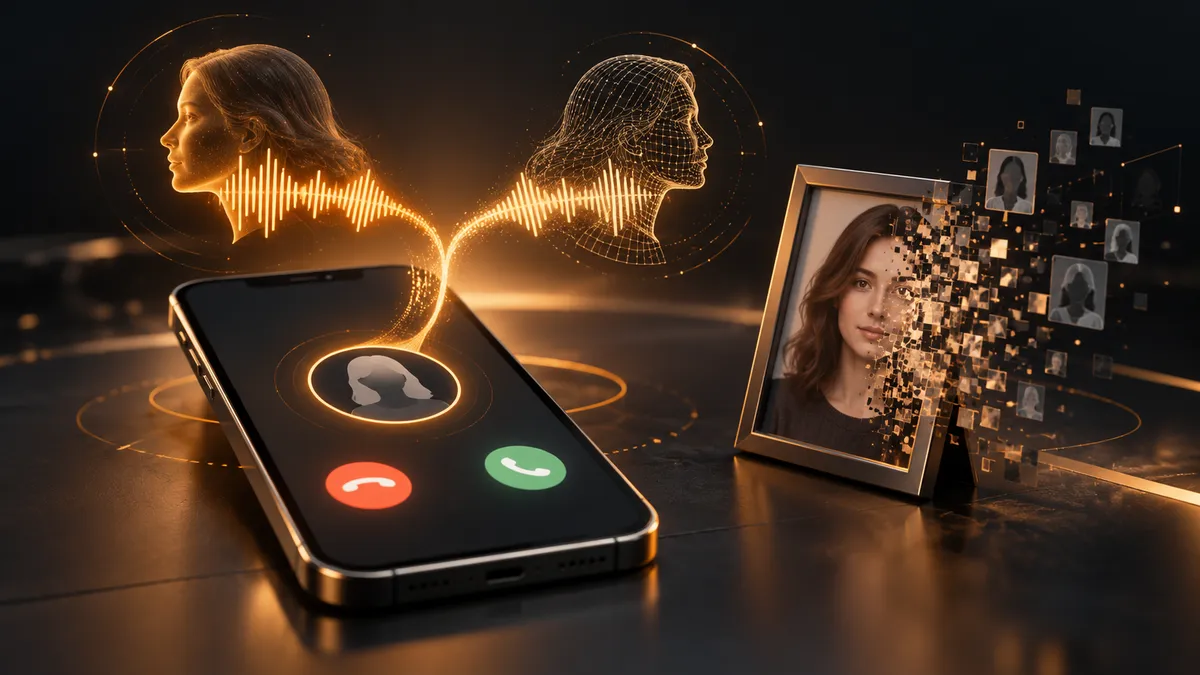
Cloned voices, generated profile photos and SI-written messages give old scams new disguises. Here is what the FBI, the FTC and Europol document, what our detector could and could not catch, and the checks that actually protect you.
SI (AI) detectors catch a lot of typical content but make real mistakes. Here is what independent studies found, why false positives happen, and five honest tests of our own tools.
SI (AI) detectors weigh three kinds of clues: statistical traces, metadata and watermarks. Here is how each works, why none is certain, and what happened when we ran three texts through our own detector.