Sourced explainers on SI (Super Intelligence, the new US name for AI) content: how detection works, watermarks and provenance, and what the tools can and cannot tell you. Written by the SI or Not editorial team.
In 2023 a picture of a blue, big-eyed baby peacock charmed social media, then climbed to the top of image search. It was generated. What fact-checkers found, what real peachicks look like, and what our SI detector says about a public copy.
In March 2023, generated pictures of Donald Trump being arrested were viewed millions of times. Their author had said they were made with an image generator. How that label got lost, which clues fact-checkers used, and what our SI detector says about a public copy.
During the Los Angeles wildfires of January 2025, pictures of the Hollywood sign in flames went viral. The sign never burned. What the fact-checkers found, which clues gave the fakes away, and what our SI detector says about a public copy.
In March 2023 a picture of Pope Francis in a white designer puffer coat went viral. It was made with Midjourney. What fact-checkers and the Vatican said, the clues, and what our SI detector says about a public copy.
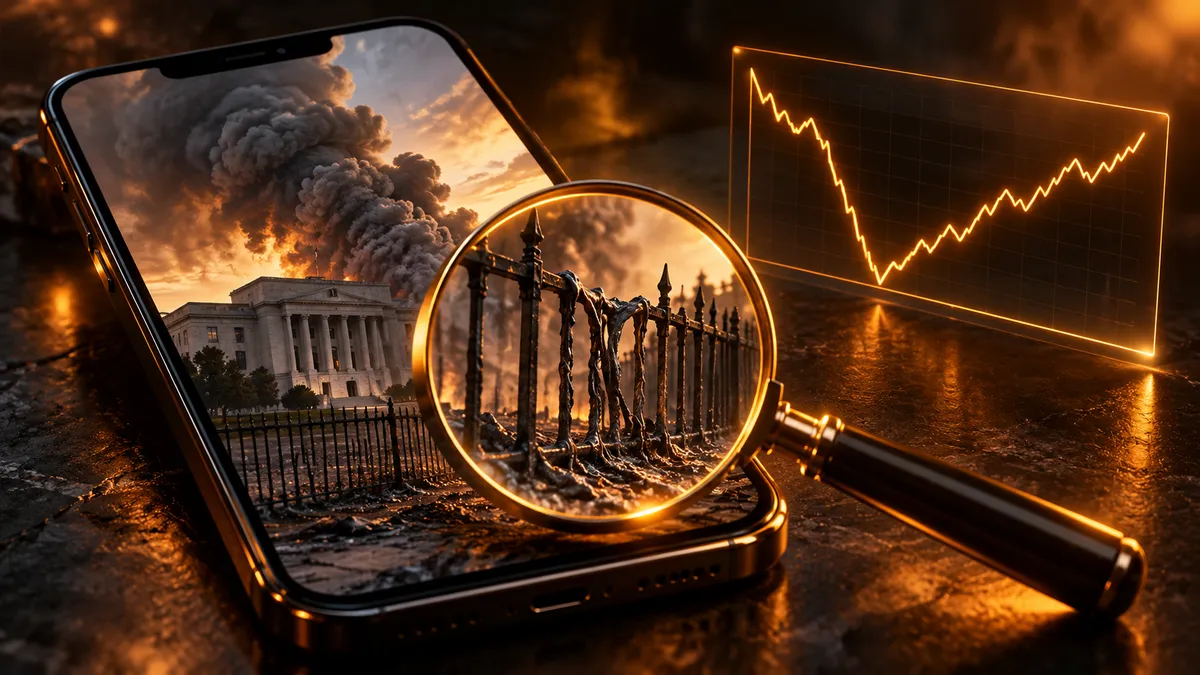
In May 2023 a fake photo of an explosion near the Pentagon spread from paid-verified accounts to TV and briefly rattled the stock market. What fact-checkers found, and what our SI detector says about a copy.
Step-by-step instructions for Google Lens, Bing Visual Search and TinEye on desktop and mobile, how to find the oldest and original copy of a viral picture, and why a reverse search cannot catch a brand new SI (AI) image on its own.
Teachers cannot reliably spot SI-written essays by reading them, and detectors only give a probability. Here is what research and official guidance say works better, and what a student accused of SI use is entitled to.
SI (AI) made fake reviews cheap and convincing. Here is what the law says in the US, EU and UK, what platforms report, and which signals to check before you trust a rating.
People guess barely better than chance, and detectors trained on photos stumble on drawings and paintings. Here is what the research says, which clues really help, and how our own detector did on eleven artworks.
C2PA Content Credentials are signed provenance data that record which tool made a file and how it was edited. Here is how they work, how to check them, and what happened when we removed them from ten ChatGPT photos.
Cloned voices, generated profile photos and SI-written messages give old scams new disguises. Here is what the FBI, the FTC and Europol document, what our detector could and could not catch, and the checks that actually protect you.
SI (AI) detectors catch a lot of typical content but make real mistakes. Here is what independent studies found, why false positives happen, and five honest tests of our own tools.